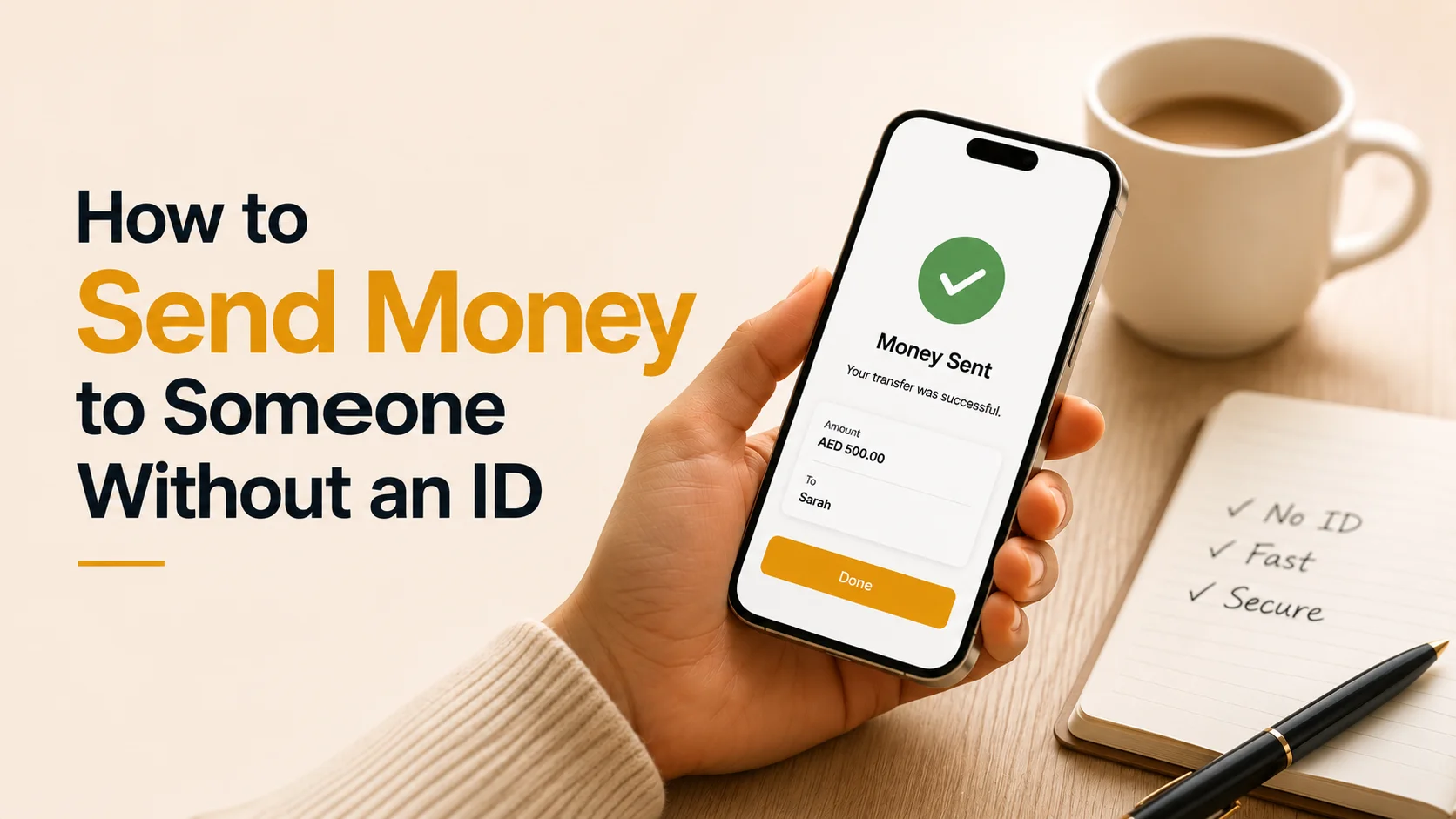
Sending money becomes more complicated when the recipient does not have a valid passport, national identity card, or driving license. Their documents could be lost, expired, or awaiting replacement. In some countries, people also have limited access to formal identification or traditional banking services.
This does not always stop them from receiving financial support. The recipient might already have a verified bank account, digital account, payment card, or wallet. You could also cover a specific expense directly instead of sending cash.
Legitimate financial providers still verify customers and review transactions when required. Even when the recipient does not show an ID for a particular payment, their account could already have been verified when it was opened.
The right option depends on what the recipient can access, where they live, how much you are sending, and how they need to use the funds. This guide covers five practical ways to send money internationally online when the receiver has limited documents.
Can you send money to someone without an ID?
Only when the recipient already has a verified payment method
Someone who already has an active bank account or verified digital account can often receive a payment directly into that account. They do not normally visit a counter or present identification each time money arrives.
The same applies to some payment cards and digital wallets. Identity checks usually take place during registration, not during every transaction. The provider can still request updated information if the account details have expired or the transaction requires an additional review.
Cash pickup works differently. Before releasing physical cash, a provider needs to confirm that the person standing at the counter is the intended recipient. Without accepted identification, the receiver will usually struggle to collect the payment.
Before starting an international money transfer, ask the recipient four simple questions:
- Do you have an active bank or digital account?
- Is your account already verified?
- Can you access the account or wallet right now?
- Can you spend, withdraw, or transfer the money after receiving it?
Checking these details first helps you avoid sending money through a method the recipient cannot use.
5 ways to send money when the recipient has a limited ID
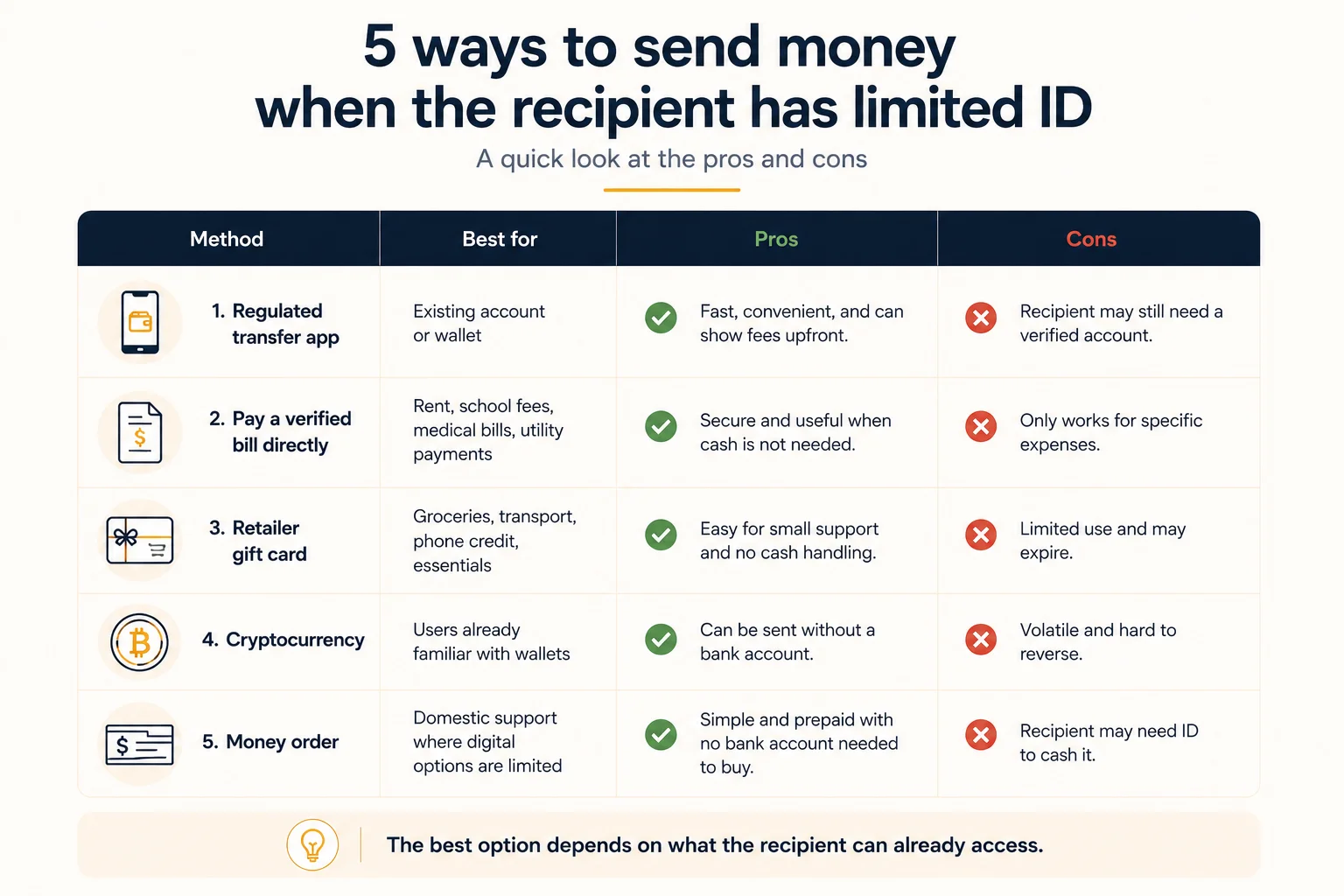
1. Use a regulated transfer app
A regulated transfer app is often the most practical choice when the recipient already has access to an active account. Depending on the available route, the payment can go into:
- A bank account
- A digital payment account
- A supported card
- A verified mobile or digital wallet
The recipient does not need to collect physical cash, so there is no counter where they must present an identity document. Their bank or account provider has usually already completed the main verification process.
Ask the recipient for the details shown in their account. These could include their legal name, account number, IBAN, phone number, email address, or another local payment identifier.
Enter every detail carefully. A name mismatch, an incorrect number, or a missing payment reference can delay the transfer or prevent delivery.
A regulated app to receive money is not anonymous. The provider knows who owns the account and can review the payment. This protects both sides and reduces the risk of money being delivered to the wrong person.
2. Pay a verified bill directly
Sometimes, sending cash is unnecessary. The person needs help paying for a specific item. You can often pay the organization or service provider directly. This avoids the problem of finding an account that the recipient can access without updated documents.
Common examples include:
- Rent paid to a verified landlord
- A school or university fee
- A hospital or medical bill
- Electricity, gas, or internet charges
- Mobile phone credit
- A travel booking
- Groceries ordered through a trusted retailer
Ask for an official invoice, bill number, customer reference, or secure payment link. Then check the organization’s official website or known contact details.
Do not send funds to a personal account simply because someone says it belongs to a landlord, hospital, university, or service company. Confirm the name and payment instructions independently.
Direct payment can be the safest way to transfer money when the recipient needs to cover an urgent expense. You know where the funds are going, and the recipient does not need to withdraw or collect them. However, it only solves the expense you pay. It will not give the recipient money for food, transport, or another need unless you arrange those payments separately.
3. Send a retailer gift card
A retailer gift card can help someone buy essential items without having to use cash.
Digital gift cards are usually delivered by email or message. The recipient enters the code online or presents it at the retailer, depending on how the card is set up.
A gift card can be useful for:
- Groceries
- Clothing
- Household products
- Food delivery
- Transport
- Mobile balance
- Online purchases
Choose a retailer that operates in the recipient’s country. Gift cards are often restricted by region, currency, website, or store location. A card purchased in one country might not work on the same company’s international website.
Check the terms before paying. Look for expiry dates, service fees, activation requirements, and restrictions on what the recipient can buy. Only send the code and PIN to the intended recipient. Anyone with those details could spend the balance. Consumers should keep the card and purchase receipt because these can help when reporting a lost card or fraud.
Gift cards work best for small personal support. They are not suitable for a large international money sending transaction because the recipient cannot use them like normal cash.
You should also stop immediately when someone asks you to buy gift cards to pay taxes, fines, debts, government charges, or business fees. Government agencies and legitimate companies do not demand payment through retailer gift cards.
4. Use cryptocurrency
Cryptocurrency can be sent from one digital wallet to another without using a traditional bank account. The recipient needs a compatible wallet and the correct wallet address. You choose the asset, enter the address, and approve the transfer.
A self-managed wallet does not always ask the recipient to upload an identity document before receiving a transaction. However, that does not make the payment anonymous. Transactions on many blockchains are visible publicly. Regulated exchanges and wallet services also complete identity checks when users buy, sell, withdraw, or convert digital assets.
The recipient must understand how to access and use the funds. Receiving crypto is not helpful if they cannot convert it, spend it, or safely manage the wallet.
Crypto transfers also involve clear risks:
- The value can change quickly
- Transfers are difficult to reverse
- A wrong wallet address can result in permanent loss
- Network fees can rise
- Fraudulent wallet links are common
- Losing a private key or recovery phrase can remove access to the funds
The SEC’s investor guidance explains that hot wallets offer convenient access but remain exposed to online threats. It also warns that crypto assets can involve volatility, fraud, platform failure, and loss. Always confirm the wallet address with the recipient through a trusted channel. Send a small test payment before transferring a larger amount.
5. Send a money order
A money order is a prepaid paper payment written to a named person or organization. You buy it for a fixed amount, enter the recipient’s name, and give or mail it to them. It does not show your bank account details to the recipient.
Money orders can help with some domestic payments, especially when the receiver does not use online banking. However, they do not solve every ID problem. The recipient still needs somewhere to deposit or cash the document. A bank, post office, or an approved cashing location may require valid identification before releasing the funds.
Before buying one, ask the recipient where they plan to use it. Confirm that the location accepts that type of money order and that the recipient has the required documents.
International money order services have become more limited in recent years. Before using one for an overseas payment, check with the issuing provider to confirm whether the service is still available in your destination country.
Conclusion
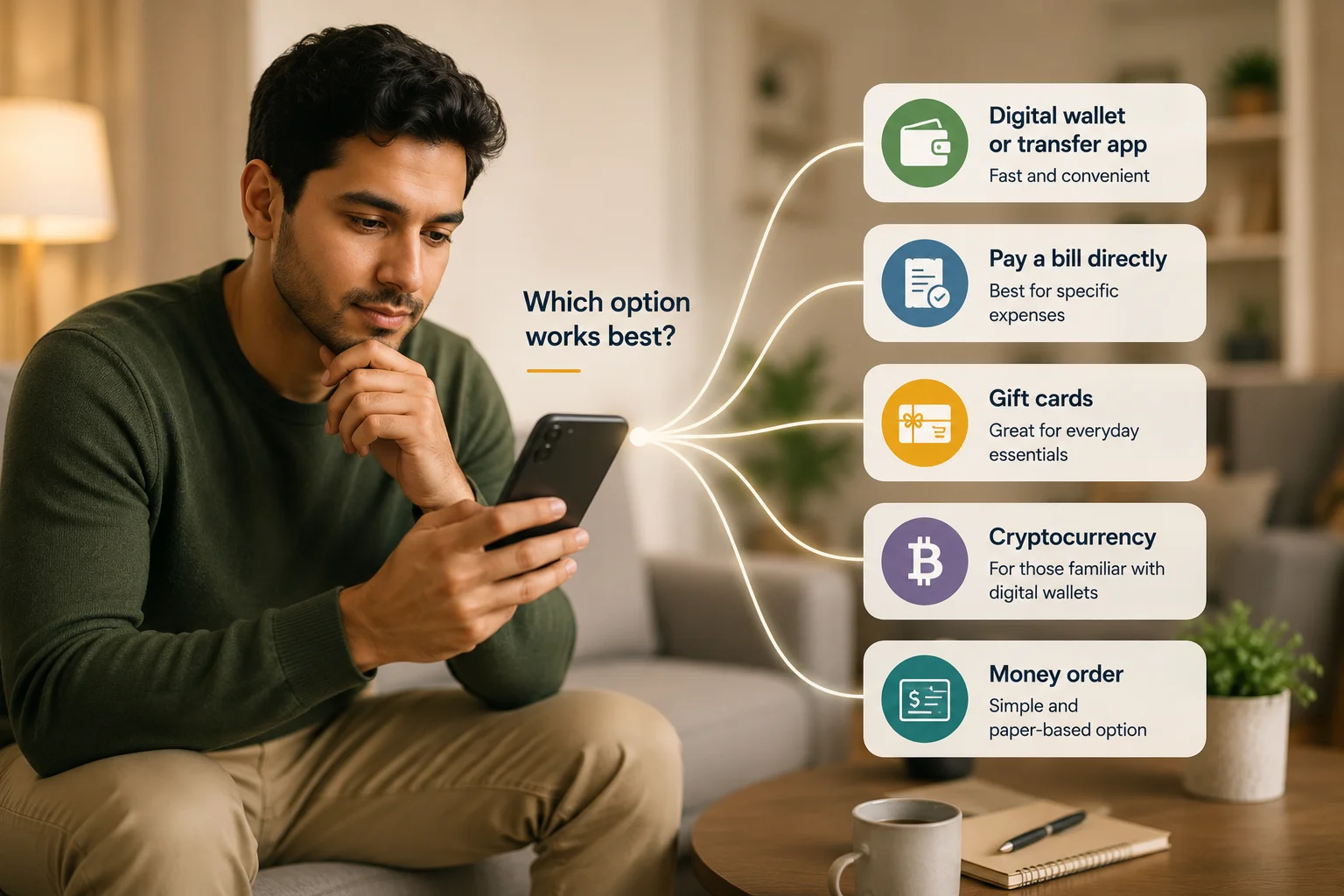
You can send money to someone with limited ID, but the best method depends on what they already have.
A regulated transfer app works well when the recipient has an active bank account, card, or verified digital account. Paying a bill directly helps when they need one specific expense covered. A retailer gift card can support smaller purchases, while cryptocurrency only makes sense when both sides understand the wallet, asset, and risks.
Money orders still work in some domestic situations, but they often require identification when cashed and are less useful for overseas payments. Before sending anything, confirm how the recipient will access the funds. Check the legal name, account details, fees, exchange rate, regional restrictions, and refund rules. A payment method is only useful when the recipient can actually receive and spend the money.
PureFi helps eligible users send money abroad through supported digital routes. You can review the rate and expected recipient amount before confirming the transfer, then track the payment through the app.
Learn more about how PureFi can help you send, save, and grow money across borders, or download the app to get started today.