A delayed wire transfer doesn’t always mean the money has been lost. Most international wire transfers arrive within the estimated delivery time provided by your bank or international money transfer platform. Sometimes, though, the payment takes longer than expected. The recipient hasn’t received the funds, your account has already been debited, and you’re left wondering what happened.
There are several reasons why an international money transfer can be delayed. A bank may need additional verification, the recipient’s account details may be incorrect, or the payment may still be moving through intermediary banks before reaching its destination.
The important thing is not to assume the money has disappeared. In most cases, the payment can be traced, and the provider can explain where it is in the transfer process.
This guide explains how to track a wire transfer, the most common reasons international transfers are delayed, and what to do if your payment still hasn’t arrived.
Check whether the transfer is actually overdue
Before reporting a missing payment, compare the current date with the estimated delivery time shown on your receipt or confirmation email.
Not every bank wire transfer follows the same timeline. The delivery time depends on the countries involved, the currencies being exchanged, the payment method, and the banks processing the transfer. Some cross-border payments arrive within hours, while others take several business days.
It’s also worth checking whether a weekend or public holiday has affected processing. If either the sending or receiving country has a bank holiday, your international transfer may not move until the next business day.
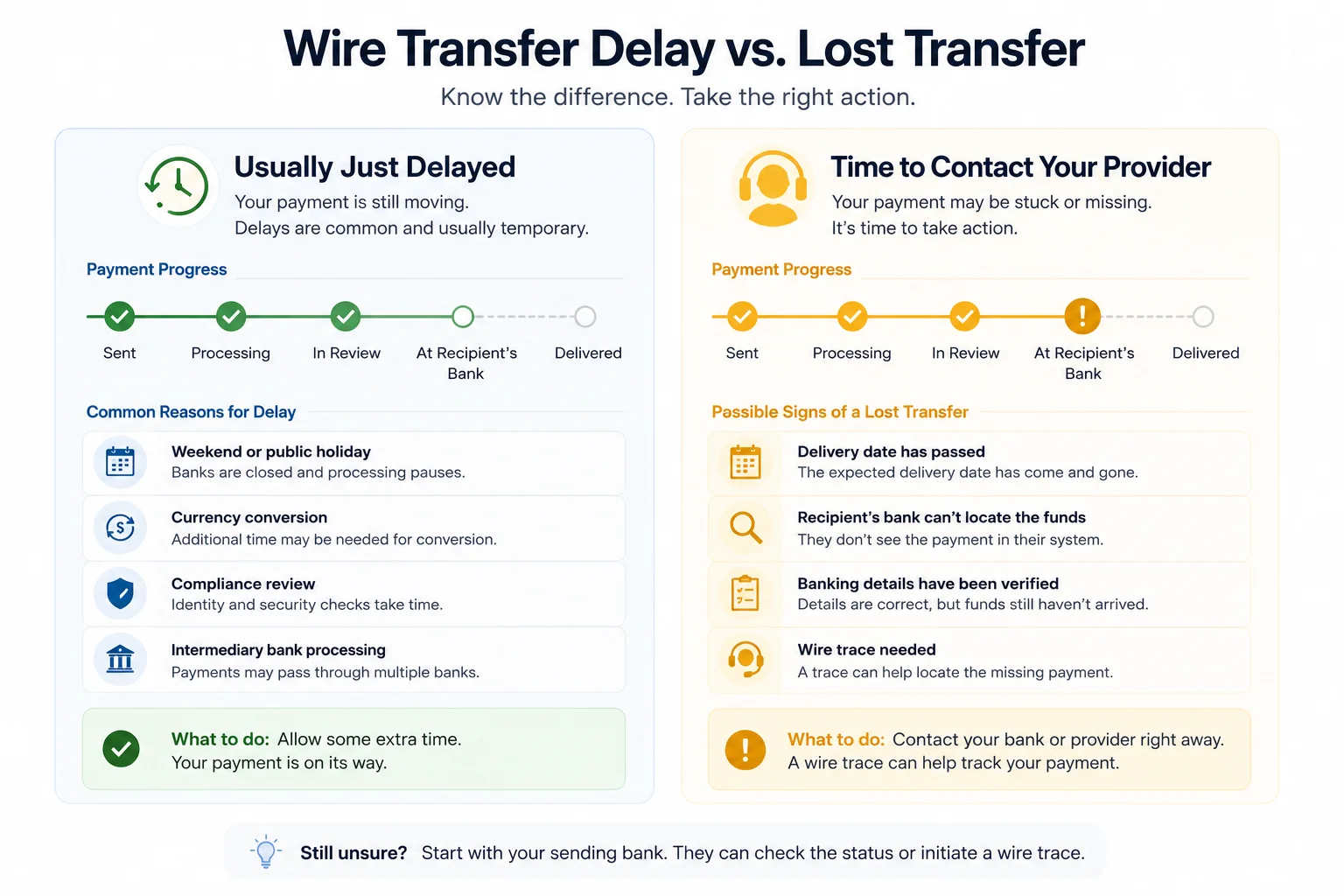
If the payment is still within the estimated delivery window, waiting another day is often the best option. If the delivery date has already passed and the recipient’s bank still can’t see the funds, it’s time to investigate.
Check the recipient’s details
Before contacting your bank or international money transfer platform, make sure the payment information is correct.
Many delayed international money transfers are caused by incorrect recipient details. A spelling mistake in the recipient’s name, an incorrect account number, or an invalid SWIFT code can stop the payment from being processed as expected.
Review the information you entered when you sent the transfer and compare it with the details provided by the recipient.
For a wire transfer, this usually includes:
- The recipient’s full legal name
- Bank name
- Account number or IBAN
- SWIFT or BIC code
- Routing number, where applicable
If you notice an error, contact your provider immediately. The sooner they know about the mistake, the sooner they can advise whether the payment can be corrected, recalled, or returned.
It’s also worth asking the recipient to contact their bank. In some cases, the receiving bank has already received the funds but hasn’t credited them to the account. This can happen when the bank needs additional information or wants to complete routine verification checks before releasing the payment.
Contact your transfer provider
If the recipient’s details are correct and the payment still hasn’t arrived, the next step is to contact the provider that handled the transfer. Whether you used your bank or an international money transfer platform, customer support can check the status of the payment using your transaction reference.
Have the following information ready before you call or start a live chat:
- Transfer reference or confirmation number
- Date the payment was sent
- Amount transferred
- Recipient’s banking details
- Your account information
The provider can usually confirm whether the international wire transfer is still being processed, has reached another bank, or has already been delivered to the receiving bank. If they can’t identify where the payment is, they’ll normally recommend starting a wire trace.
What is a wire trace?
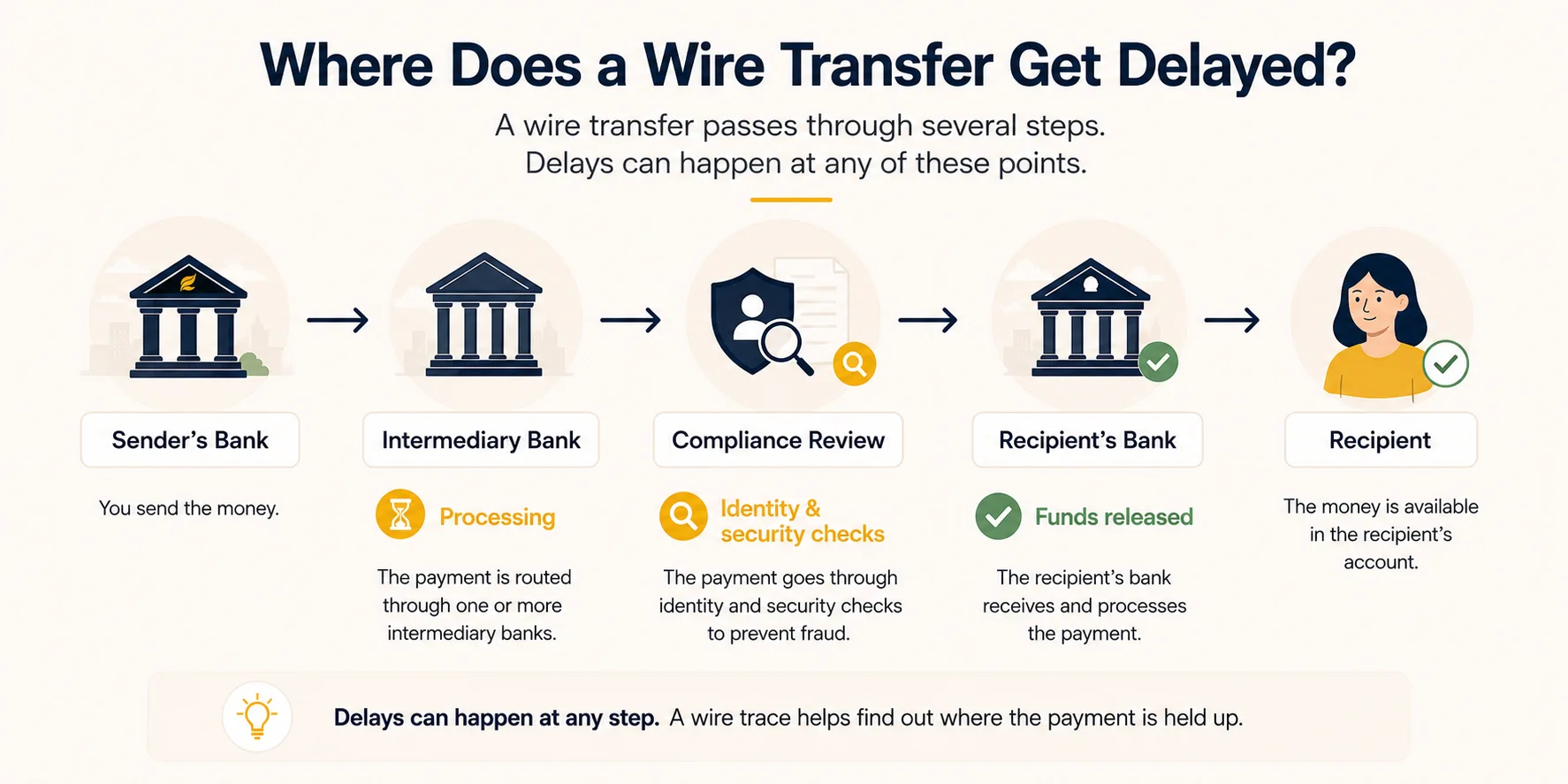
A wire trace is a formal investigation into the payment. Instead of checking only the sending bank’s records, the provider follows the transfer through the banks involved in processing it. The goal is to identify where the payment is and whether any action is needed to complete the transfer.
During a wire transfer tracking request, the provider checks whether:
- The sending bank released the funds
- An intermediary bank is still processing the payment
- The recipient’s bank has received the money
- The payment has been rejected or returned
- Additional information is needed before the transfer can continue
A wire trace isn’t instant. An international wire transfer can pass through several financial institutions before reaching the recipient. Each bank involved has to review its own records and respond to the investigation, so the process can take several business days.
Once the trace is complete, your provider should be able to explain exactly where the payment is and what happens next.
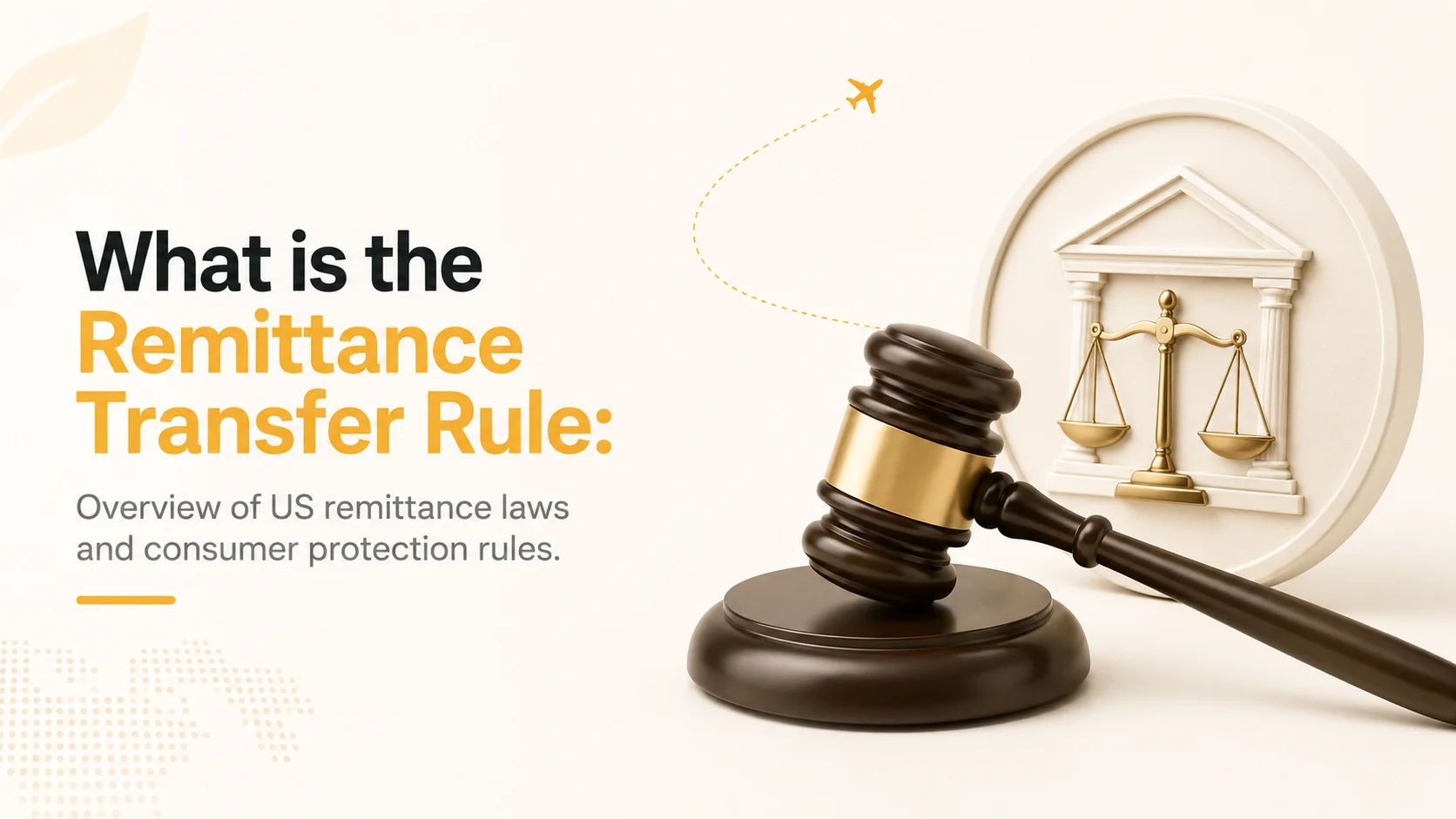
What if your transfer is covered by US remittance rules?
If you sent the payment through a provider covered by the US Remittance Transfer Rule, you may have additional consumer protections.
For example, many eligible remittance transfers include a short cancellation period after you authorize the payment, the right to report certain transfer errors, an investigation by the provider when a qualifying error is reported, and refunds or corrections in situations covered by the rule
The protections depend on the provider, the type of transfer, and the circumstances. If you believe your payment has been delayed or sent incorrectly, contact your provider as soon as possible and ask about your rights under the applicable remittance rules.
Why do international wire transfers get delayed?
A delayed payment doesn’t always indicate a problem. In many cases, it’s simply part of the way cross-border payments are processed. One common reason is compliance screening.
Banks are required to review international money transfers to prevent fraud, comply with anti-money laundering rules, and enforce financial sanctions. If a payment needs additional checks, it may remain on hold until the review is complete.
Incorrect banking information is another frequent cause of delays. An account number that doesn’t match the recipient’s records or an incorrect SWIFT code can prevent the payment from moving automatically through the banking system.
Currency conversion can also affect delivery times. If you’re sending money in one currency and the recipient is receiving another, the payment may need to pass through another institution before it reaches the destination account.
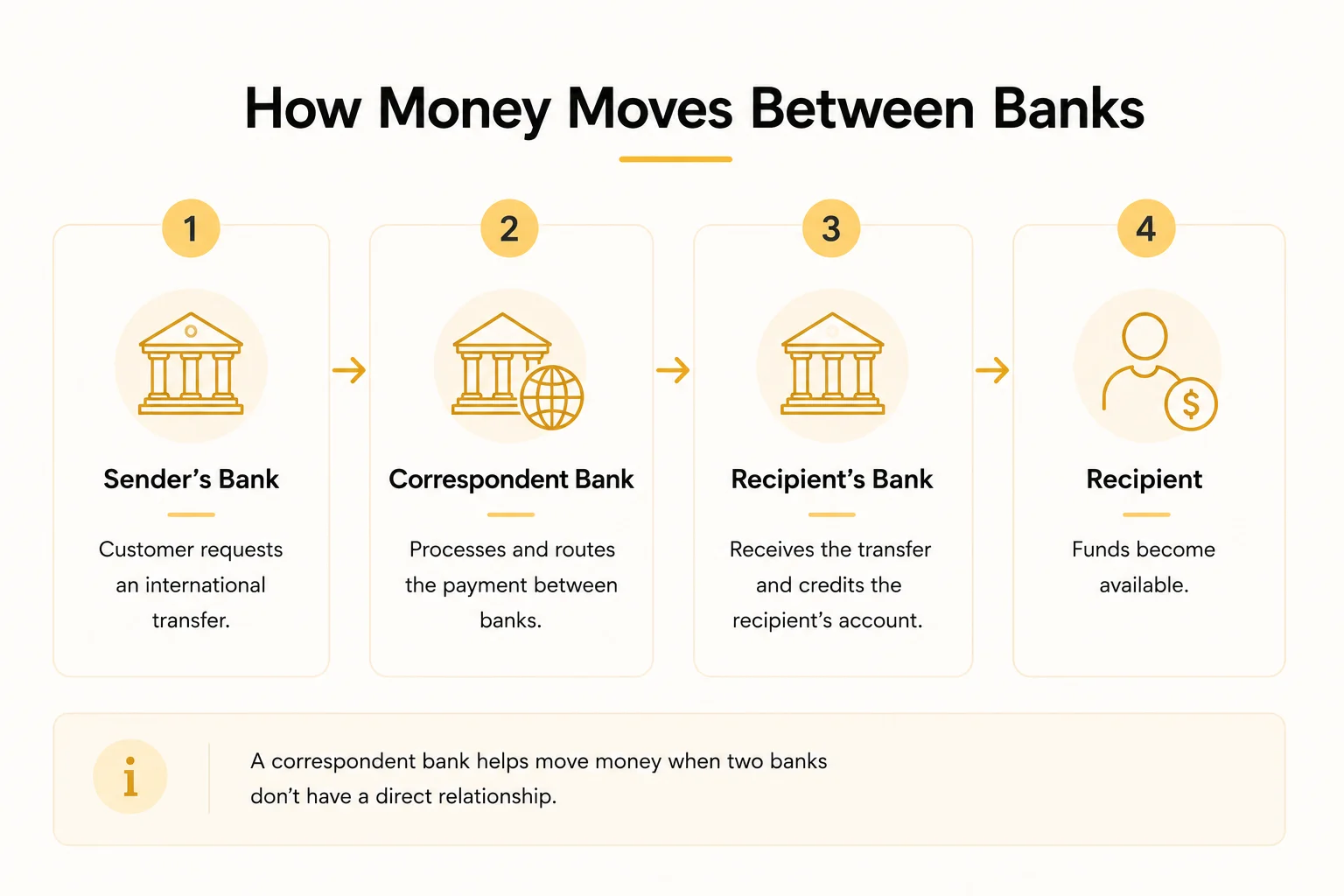
Some international remittances also travel through intermediary banks because the sending and receiving banks don’t have a direct relationship. Every additional institution involved in the payment adds another processing step.
Finally, weekends and public holidays can extend delivery times. If banks are closed in either the sending or receiving country, the payment usually resumes processing on the next business day.
Can you recover a lost wire transfer?
The answer depends on where the payment is when the issue is discovered. If the funds haven’t reached the recipient’s account, your provider may be able to request that the payment is recalled or canceled.
For example, if you accidentally entered the wrong account number while trying to transfer money overseas, reporting the mistake quickly gives your provider a better chance of stopping the payment before it’s completed.
Once the funds have been credited to another account, recovering them becomes more difficult. The receiving bank may need the account holder’s permission before returning the funds. If fraud or a scam is involved, the recovery process may also depend on local laws and the banks handling the transaction.
This is why it’s important to report a missing wire transfer as soon as possible. Acting quickly gives your provider more options for investigating and resolving the issue.
How to avoid wire transfer problems
While no payment method is completely risk-free, a few simple checks can help reduce delays when you send money internationally online.
Always confirm the recipient’s banking details before sending the payment. Ask them to copy the information directly from their banking app or bank statement rather than typing it from memory.
Review the exchange rate, transfer fee, and expected delivery time before confirming the transaction. A reliable international money transfer platform should show the full cost upfront, including the amount the recipient is expected to receive.
Keep your payment confirmation until the recipient confirms the money has arrived. The reference number on your receipt is essential if you ever need wire transfer tracking or support from your provider.
If you’re sending money to a new recipient, consider making a small test payment first. Once you’ve confirmed the account details are correct, you can send the remaining amount with greater confidence.
Track your international transfers with PureFi
PureFi helps users manage supported international money transfers on a single secure platform. Before you confirm a payment, you can review the exchange rate, transfer fee, and expected recipient amount. After sending money, you can track eligible cross-border payments from your account and monitor their progress.
If you need help with a supported transfer, the PureFi team can guide you through the next steps and explain the current payment status.
Learn more about how PureFi can help you send, save, and grow money across borders, or download the app to get started today.